
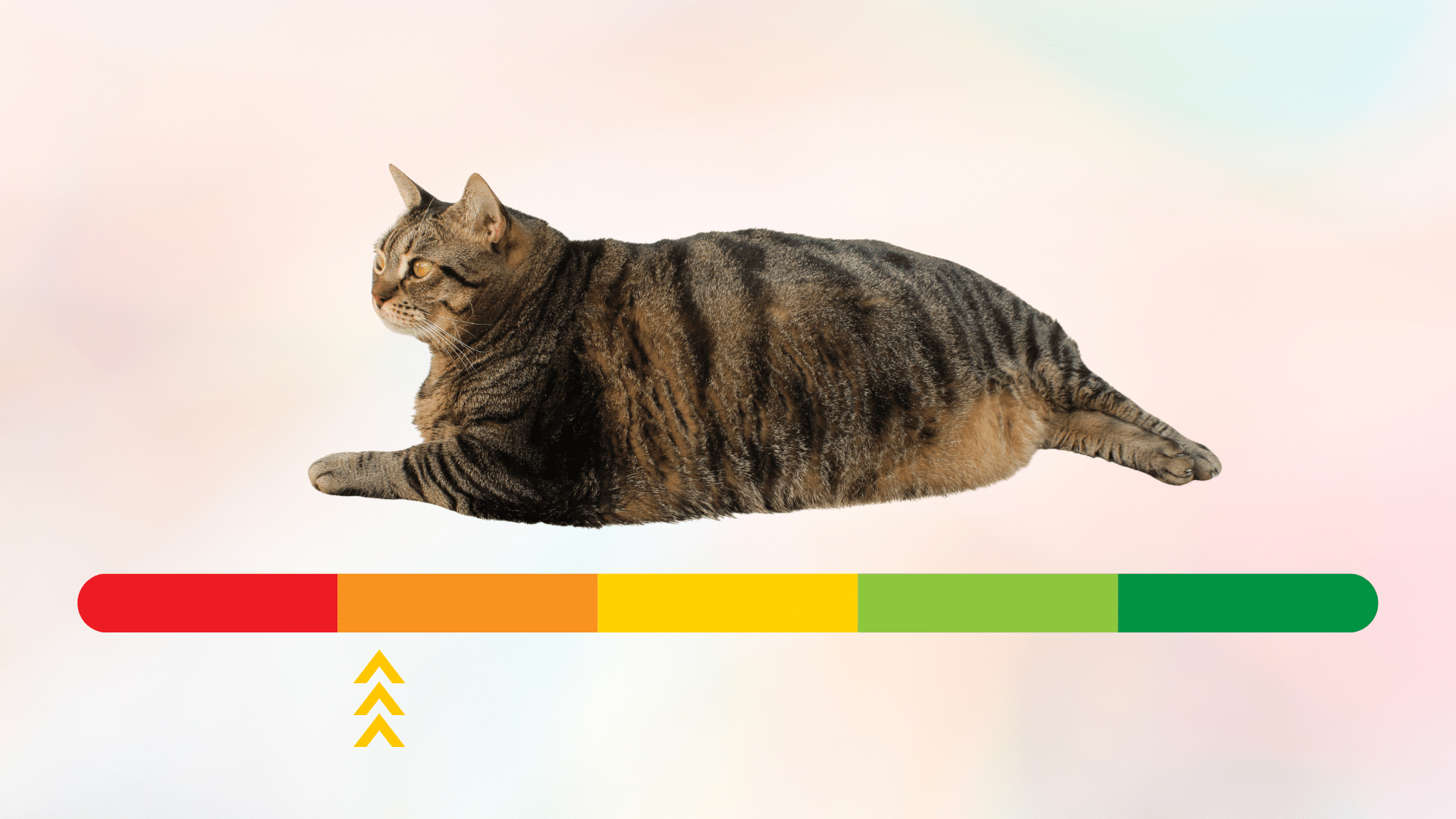
Airway Veterinary Hospital works with cat owners in Colorado Springs, CO, and we know that understanding healthy body condition makes it easier to recognize changes before they begin affecting everyday comfort.
The Connection Between Excess Weight and Feline Wellness
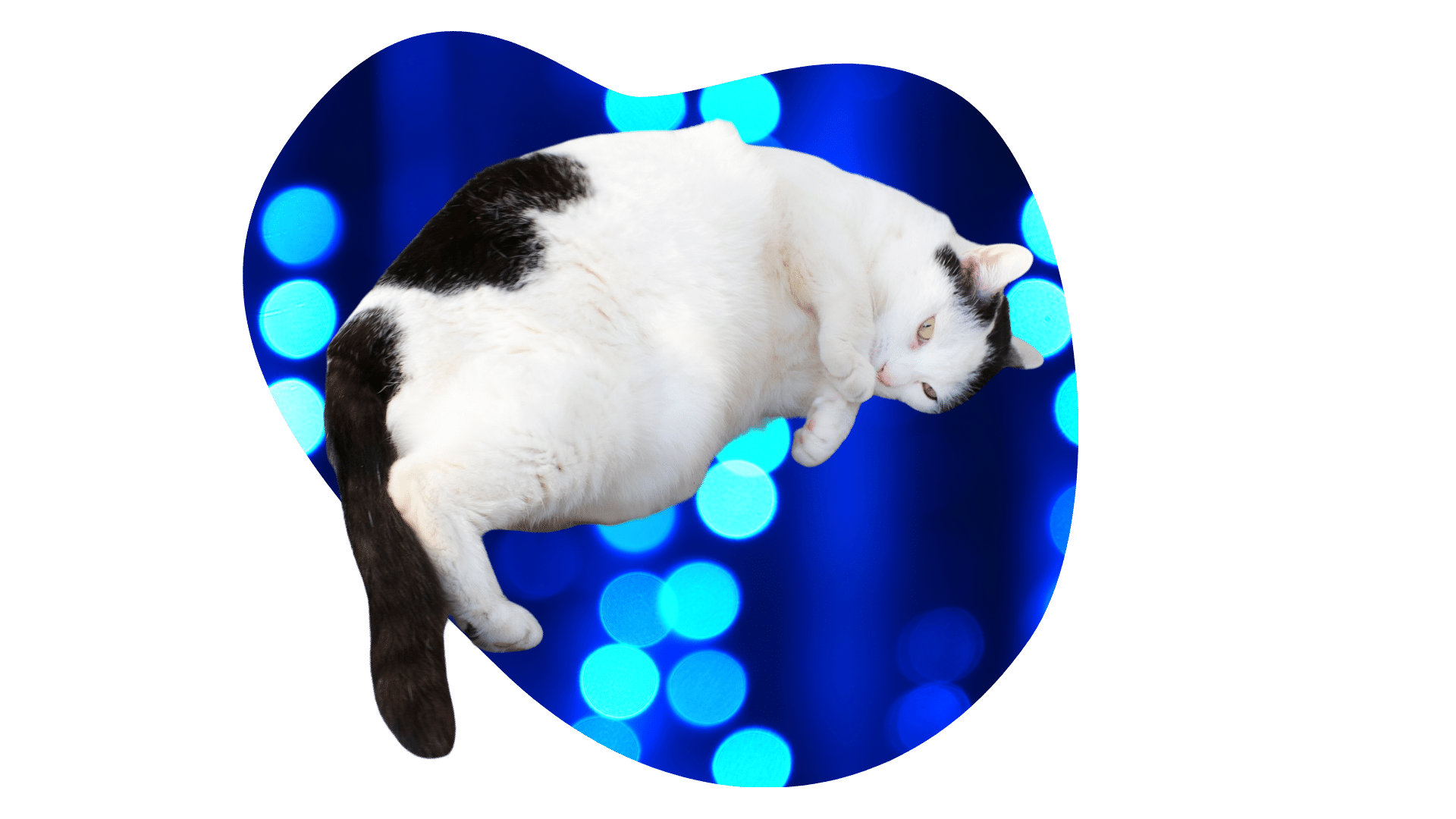
Carrying additional body fat affects more than your cat’s appearance. An overweight cat faces increased risks of diabetes, arthritis, joint discomfort, and reduced mobility. Extra pounds may make jumping onto furniture, climbing stairs, or grooming certain areas more difficult. As physical activity decreases, further weight gain may follow, placing additional stress on the body. Maintaining a healthy weight supports greater comfort, movement, and quality of life throughout your cat’s life.
Understanding Why Your Cat Is Gaining Weight
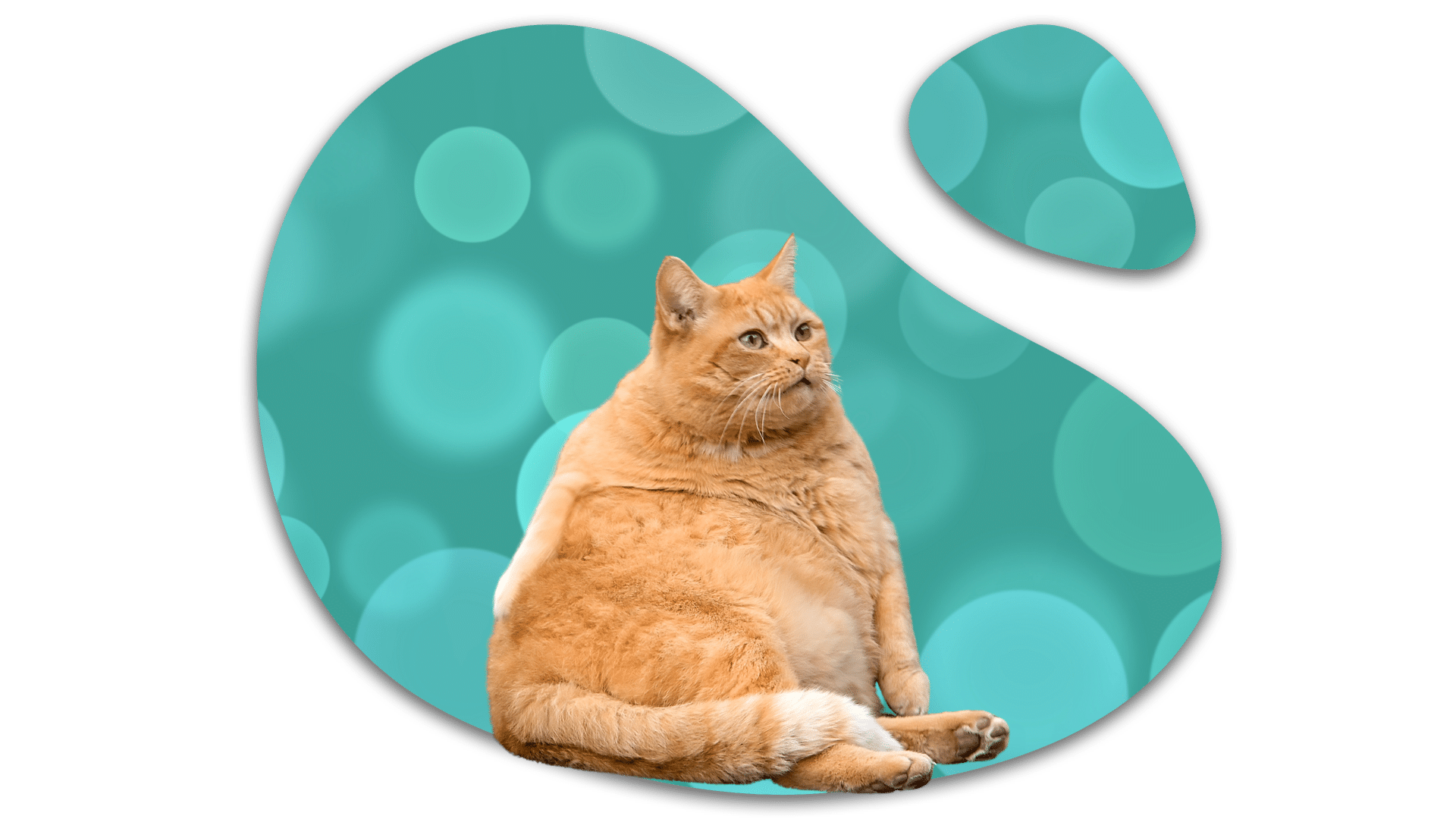
Weight gain often develops when a cat consumes more calories than their body uses throughout the day. Oversized food portions, frequent treats, free-feeding, and limited opportunities for exercise may gradually contribute to excess body fat. Indoor lifestyles, aging, and changes in daily activity may influence nutritional needs as well. Certain medications and underlying medical conditions sometimes contribute to unexpected weight changes. Identifying the reason behind weight gain is essential before making significant adjustments to feeding routines.
Is Your Cat Showing Signs of Obesity?
A cat’s body shape often provides useful clues about weight and overall condition. When viewed from above, a healthy cat generally has a visible waist, while the ribs should be noticeable beneath a thin layer of tissue when gently touched. A rounded midsection, reduced waist definition, or difficulty feeling the ribs may suggest excess weight. The Association for Pet Obesity Prevention offers an at-home body condition scoring chart for cats as a visual reference for evaluating feline body shape. A veterinary examination provides a more accurate assessment of your cat’s individual needs.
Why a Veterinary Weight Assessment Matters
If your cat begins gaining weight unexpectedly, scheduling a veterinary examination at Airway Veterinary Hospital is a sensible next step. During an evaluation, a veterinarian reviews body condition, feeding habits, activity levels, and potential medical concerns affecting weight. An overweight cat should follow a gradual, professionally guided weight management plan rather than an aggressive diet. For cat owners in Colorado Springs, veterinary guidance offers a practical approach to addressing weight concerns while protecting feline health.
Three Everyday Strategies for a Healthier Cat
Small adjustments to daily routines may support steady progress toward a healthier body condition.
- Keep portions consistent: Measure meals carefully, monitor treat intake, and discuss appropriate feeding amounts with your veterinarian.
- Make movement enjoyable: Encourage short play sessions with interactive toys, food puzzles, or activities suited to your cat’s mobility and interests.
- Choose veterinary guidance over diet trends: Avoid sudden food restrictions or unverified weight loss recommendations. Rapid weight loss may trigger serious liver complications in cats.
Personalized Veterinary Care for Cats in Colorado Springs
An overweight cat deserves an individualized approach that considers age, activity, nutrition, and overall health. Airway Veterinary Hospital serves cats and dogs from Colorado Springs, Cimarron Hills, and East Colorado Springs, along with surrounding communities. If your cat has experienced noticeable weight gain or changes in mobility, schedule an appointment to book a veterinary evaluation. Healthy weight management begins with awareness, patience, and consistent care. Recognizing changes early and working with a veterinary professional supports safer nutritional decisions, improved mobility, and greater everyday comfort for your feline companion.